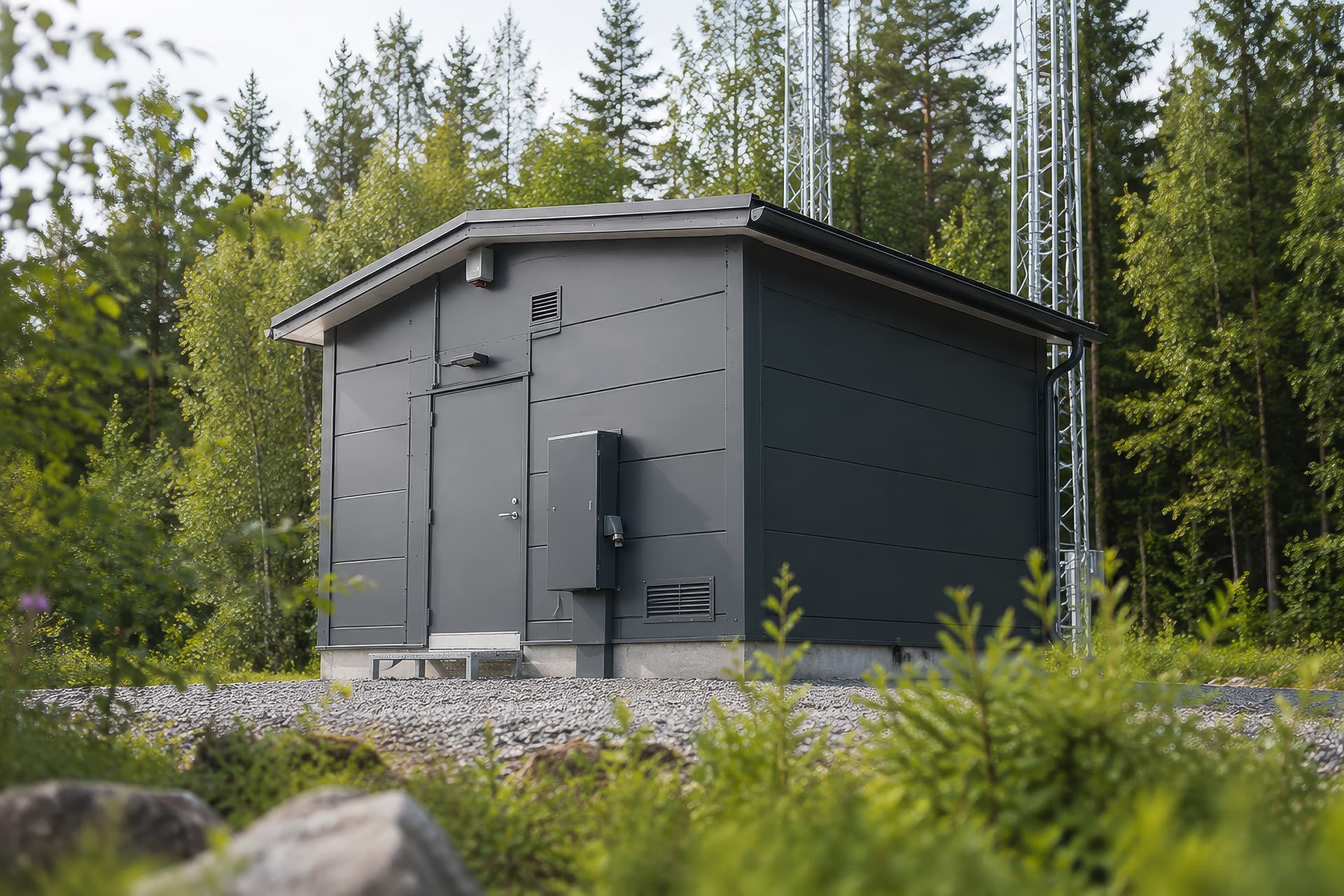
Modular buildings for equipment, utility and technical facilities
Our modular building solutions provide an alternative when standard container dimensions are not enough. Buildings can be designed around specific equipment, layouts, and technical requirements while retaining the benefits of off-site manufacturing, transportation, and rapid deployment.
Modular buildings
Designed around equipment, processes, and operational requirements
Flexible building dimensions without container size limitations
Suitable for power distribution, telecommunications, and industrial applications
Integrated technical systems and building services
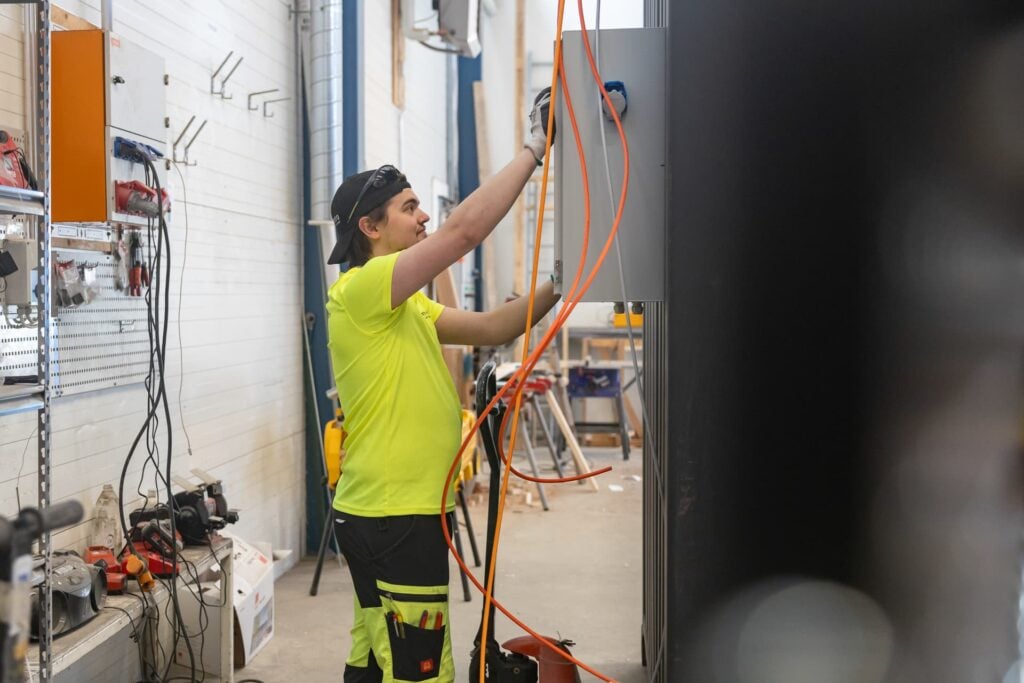
Factory-built for consistent quality and shorter project schedules
Delivered as complete modules ready for site installation

Ready to move your container project forward?
Share your project requirements and timeline and we’ll get back to you with the next steps.
See how we design, build, and deliver
When modular building makes sense
When size, layout, and function exceed container limits
Modular building becomes the right solution when standard container sizes are not enough. It enables larger, purpose-built spaces designed around equipment, processes, and operational requirements — without the constraints of fixed dimensions.
01
Lower total cost
By completing most work in a controlled production environment, projects can often be delivered more efficiently than traditional construction.
02
Predictable quality
Manufacturing takes place in a controlled factory environment where materials, processes, and inspections follow defined standards. This helps ensure consistent quality.
03
Flexibility and scalability
Modular buildings can be designed around specific space requirements and expanded as operational needs change.
04
Works in remote or difficult locations
Factory-built modules can be installed efficiently even in remote locations with limited construction resources.
05
Better fit for complex technical use
Unlike standard containers, modular buildings are not limited by fixed dimensions. This provides greater flexibility for equipment layouts, maintenance access, and technical systems.
06
Lower environmental impact
Off-site manufacturing reduces material waste and site disruption. Modular buildings can also be relocated, expanded, or repurposed.
A modular building delivers larger, purpose-built spaces at a significantly lower cost and faster timeline than traditional construction — ready to perform from day one.
Modular solutions across industries
Modular buildings provide flexible space for technical equipment, operational facilities, and critical infrastructure. Designed around the application rather than fixed dimensions, they offer a practical solution for industries that require rapid deployment, controlled environments, and long service life.
Power generation
Modular buildings are used to house switchgear, transformers, protection systems, and other electrical equipment required for power generation and distribution projects. Factory-built structures help shorten installation times and provide controlled environments for critical infrastructure.
Industrial production
Industrial sites use modular buildings for electrical rooms, automation systems, process controls, and other technical equipment. Layouts can be designed around specific equipment and operational requirements.
Transport infrastructure
Road, rail, port, and airport projects require technical facilities for communications, control systems, and power distribution. Modular buildings provide a fast and predictable solution for these applications.
Defence applications
Modular buildings can be adapted for communications, technical equipment, operational support, and other project-specific defence requirements. Solutions are designed according to the intended use and technical scope of the project.
Energy and utilities
Utility companies and energy operators use modular buildings for substations, telecom facilities, control rooms, and other critical infrastructure. Buildings can be equipped with the technical systems required for reliable long-term operation.
How project starts

Let’s build something special together
Contact us and let’s talk about your project.
Frequently asked questions about modular buildings
What is the difference between a modular building and a custom container?
A custom container is built around a standard ISO shipping container structure and dimensions. A modular building is purpose-built around the requirements of the application and is not constrained by container dimensions. This provides greater flexibility for equipment layouts, larger spaces, and more complex technical installations while retaining the benefits of factory manufacturing and rapid deployment.
How large can a modular building be?
Modular buildings can range from small technical equipment rooms to large multi-module facilities. The size, layout, and internal configuration are defined by the project’s operational and technical requirements. Multiple modules can be combined to create larger spaces when required.
How long does a modular building project typically take?
The project schedule depends on the building size, technical scope, and level of customization. Because most construction work takes place in a factory environment, site preparation and manufacturing can often proceed in parallel, helping reduce the overall project timeline compared to traditional on-site construction.
What are the advantages of off-site manufacturing?
Off-site manufacturing improves schedule predictability, quality control, and site efficiency. Most construction, installations, and testing are completed before delivery, reducing the amount of work required on site and minimizing weather-related delays. It also allows projects to be deployed more quickly once the building arrives at its destination.
How does a modular building project typically start?
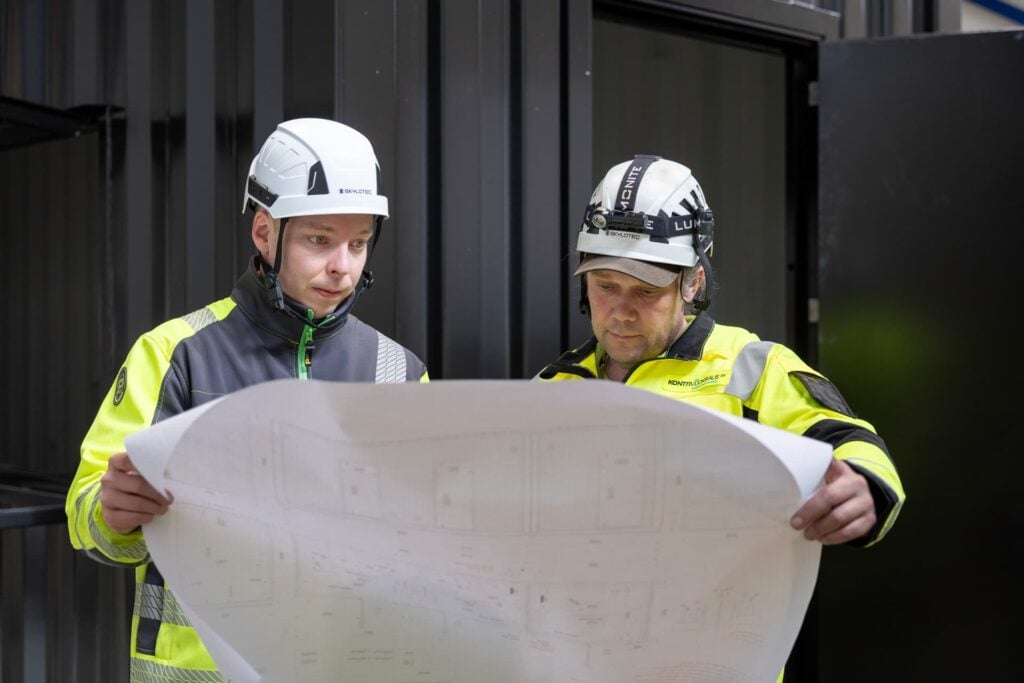
Every project starts with understanding the intended application, equipment requirements, and site conditions. Based on this information, our team develops a preliminary concept, layout, and technical solution before moving into detailed engineering and production planning. A remote meeting is often the easiest way to begin the discussion and review project requirements. The meeting is free of charge and does not commit you to anything.