Fully modified custom containers
to match the use case
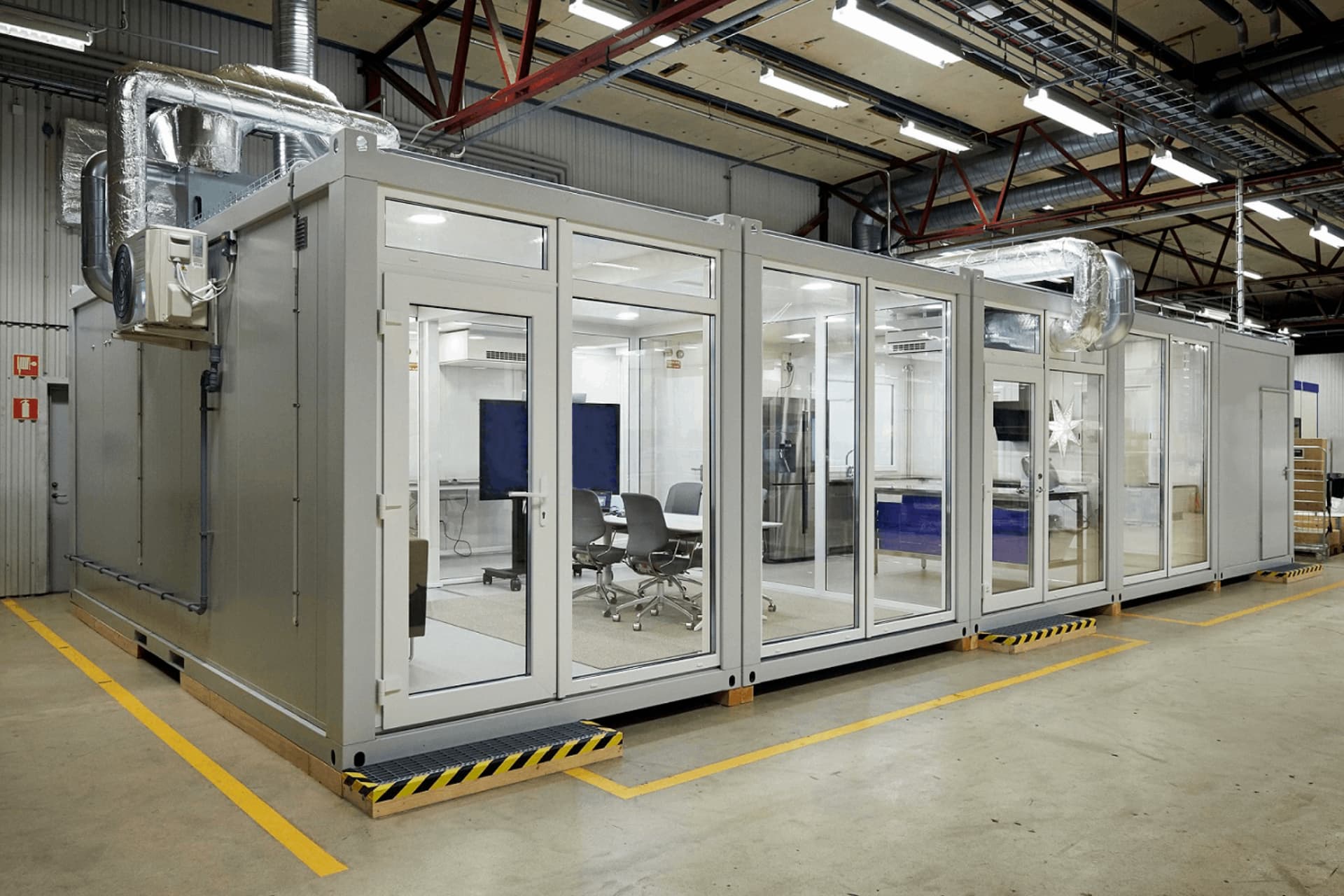
Fully modified containers built around your specific use case. Each unit is designed, engineered, and equipped to match your operational requirements, from structure and layout to integrated systems. Delivered ready for use, with all technical details defined upfront.
Customs Containers
Single units or scalable container solutions for larger project needs
Dimensions, equipment, and use defined by your requirements
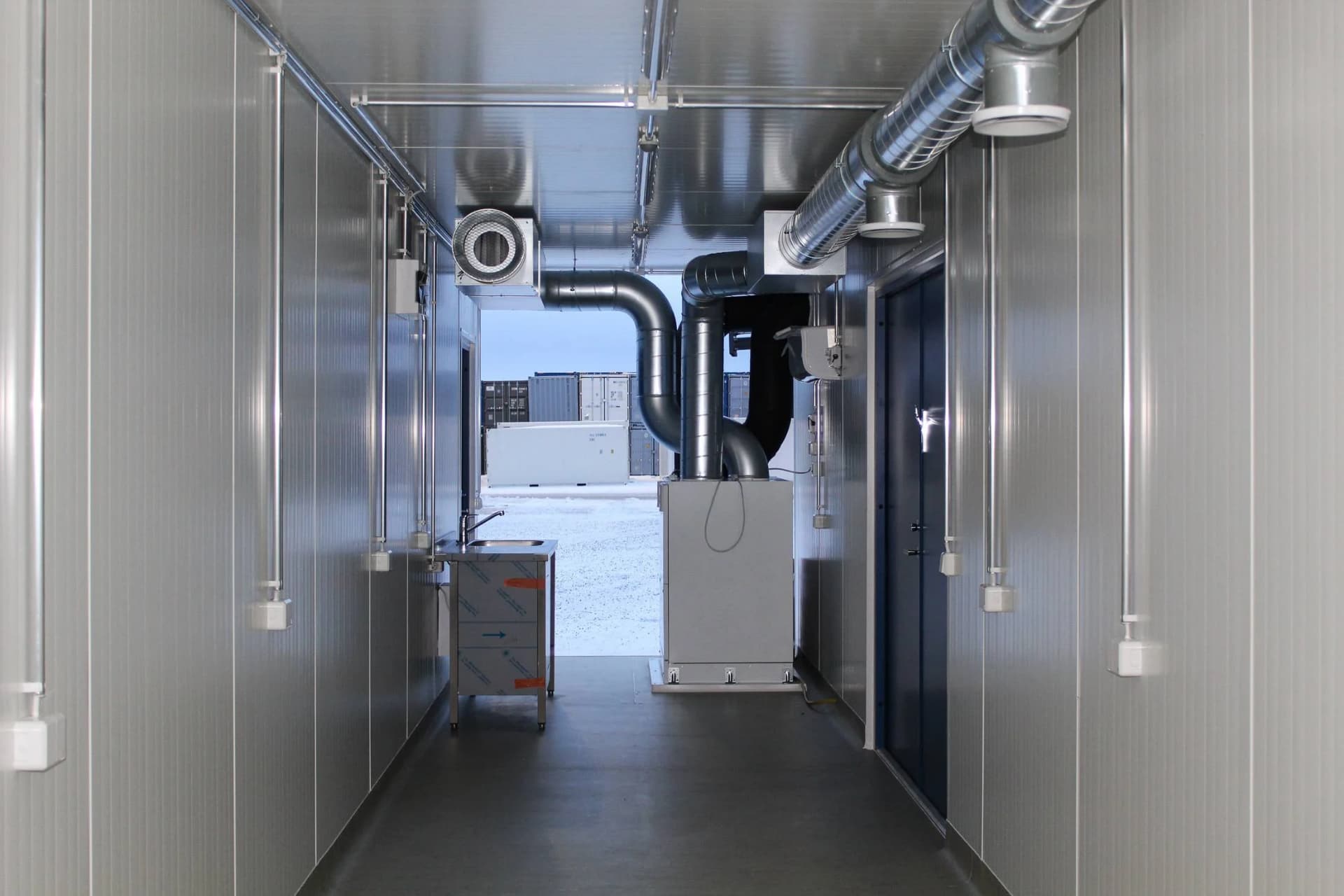
Integrated technical systems, electrification, insulation, and HVAC
Manufactured in-house or through certified production
Delivered ready for use

Ready to move your container project forward?
Share your project requirements and timeline and we’ll get back to you with the next steps.
Applications of custom containers
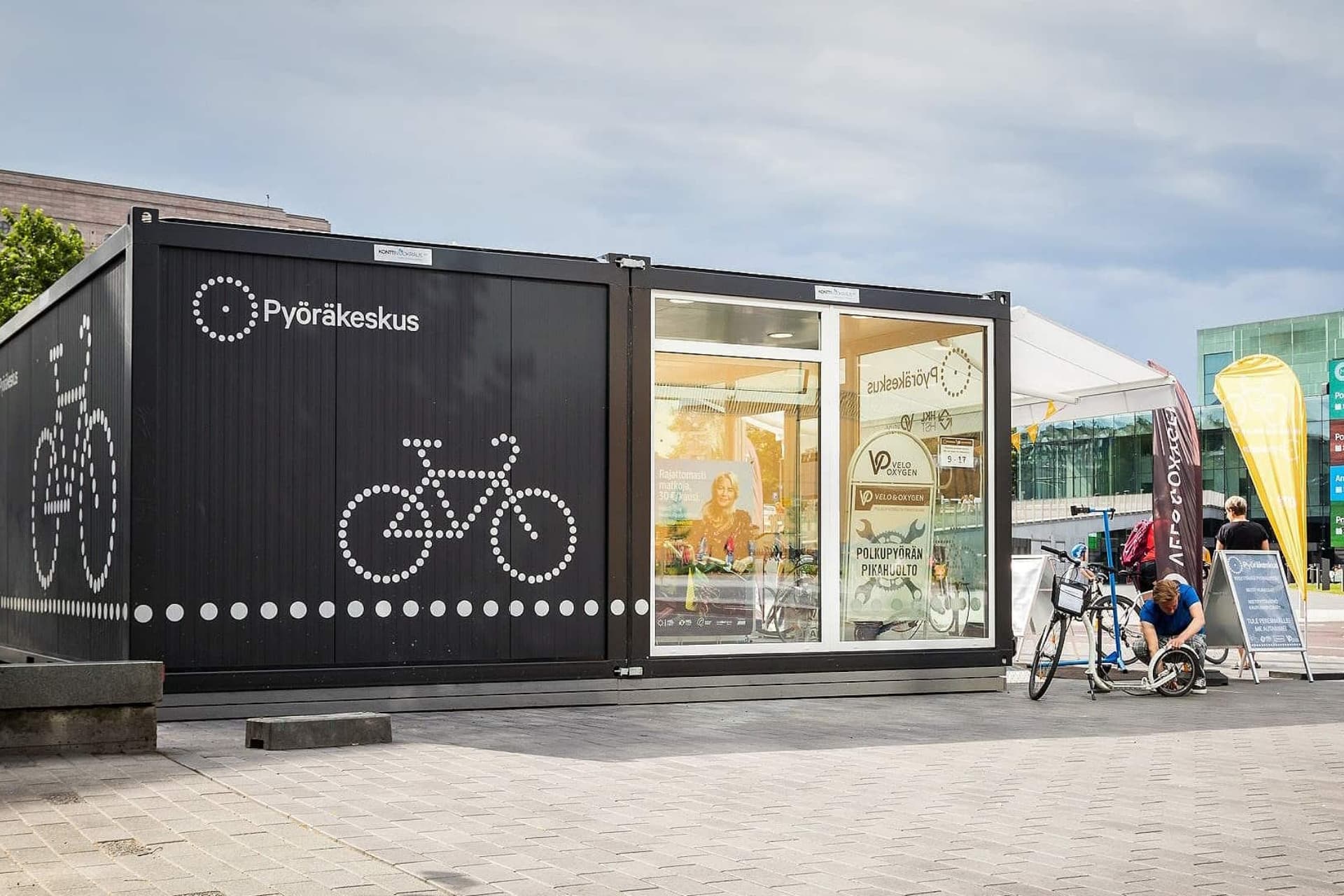
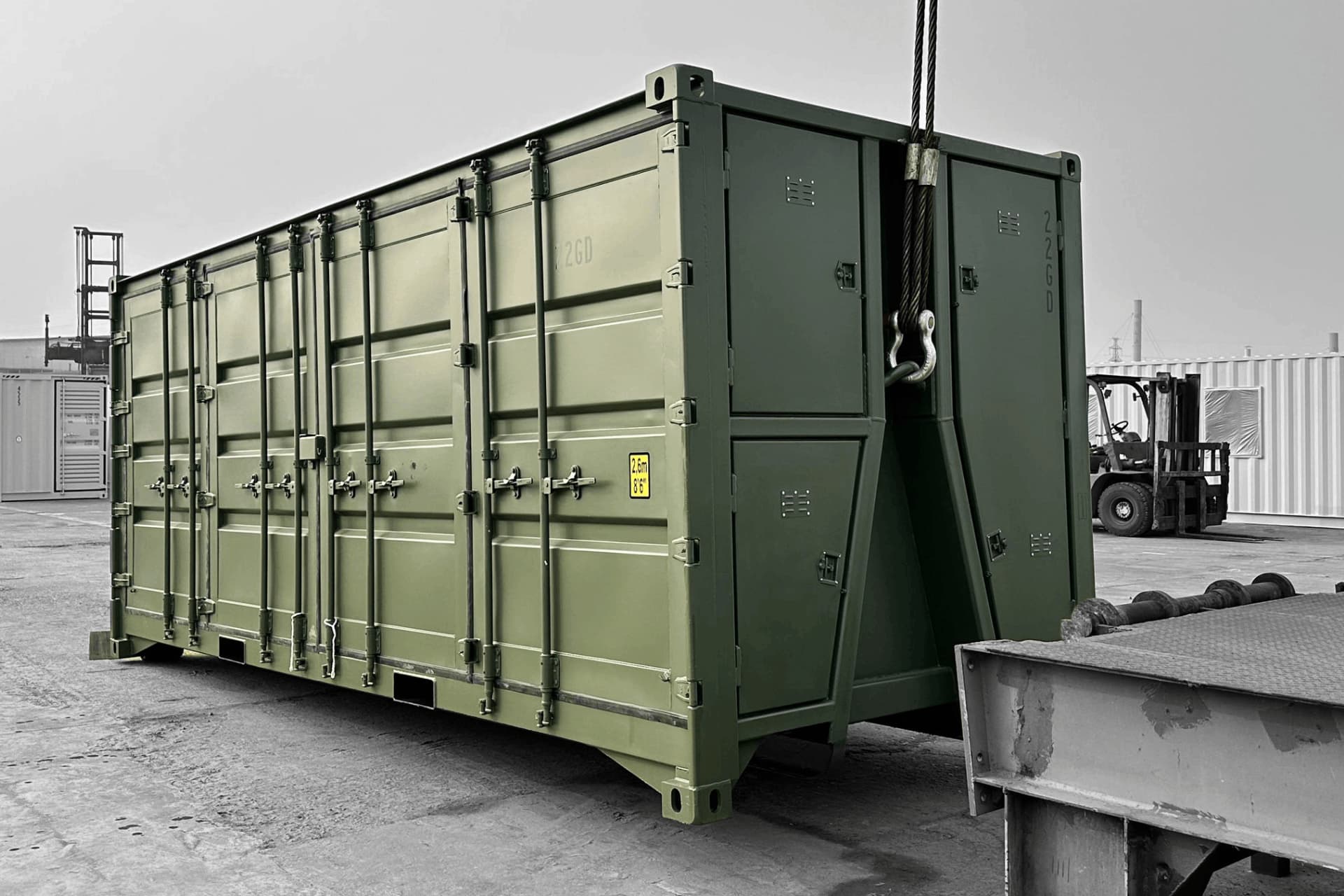
Each unit is designed, engineered, and equipped based on the customer’s defined use case. The examples show how different requirements are translated into working, ready-to-use solutions.
See how we design, build, and deliver
MC Custom containers
Complete container solutions from design to delivery
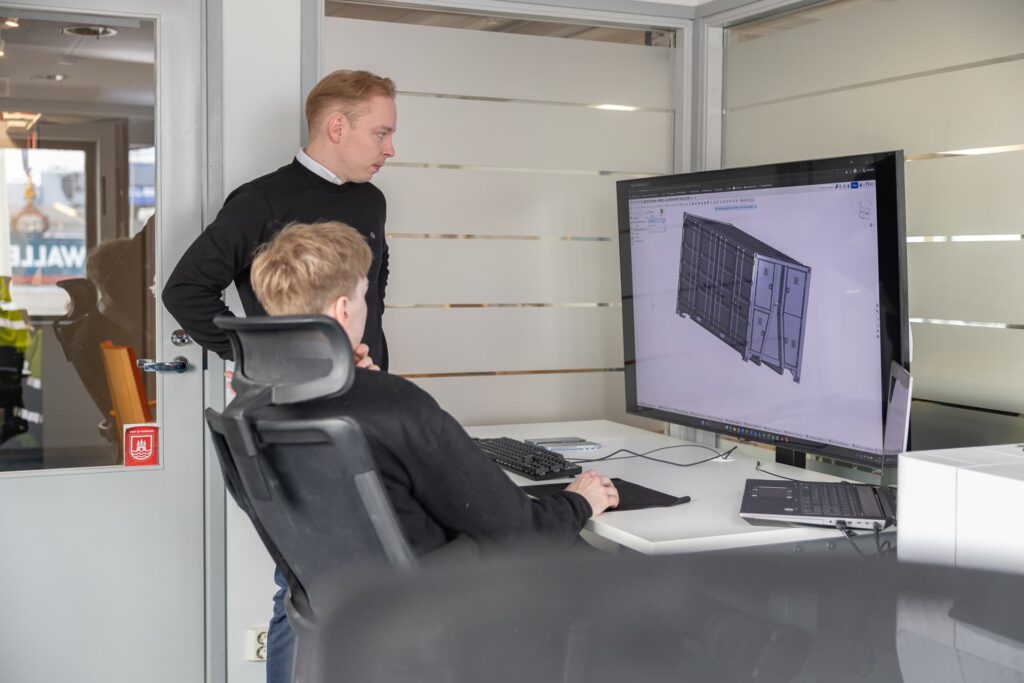
We design, manufacture, and deliver container solutions tailored to technical, operational, and application-specific requirements, from single units to larger modular systems.
01
Fully configurable
Dimensions, layouts, technical systems, and equipment are defined by the requirements of the project and its intended use.
02
Flexible dimensions and layouts
Solutions can be configured around specific equipment, operational processes, and site requirements.
03
Delivered globally
Projects can be manufactured and delivered worldwide through coordinated production, logistics, and deployment planning.
04
Factory-built quality
Controlled production ensures consistent quality, documentation, and inspections throughout the manufacturing process.
05
Single units to scalable systems
From one unit to multi-unit setups based on project scope.
06
Ready-to-use delivery
Delivered as complete units, minimizing on-site installation work.
Container modifications can cover anything required to make the unit fit its purpose. Tell us what you need, and we’ll define the right solution.
Production selection and documented quality
Production is selected based on project requirements, scope, and certification needs. The model is defined per project to ensure the right balance between technical fit, timeline, and compliance.
Production location
Production can take place in Finland or through certified manufacturing partners in China. The manufacturing location is selected individually for each project based on technical requirements, delivery schedule, production volume, and certification needs. Regardless of location, all projects follow the same engineering process and quality requirements.
Selection criteria
The production model is determined by what best supports the project objectives. Factors such as customization level, technical complexity, lead time, quantity, logistics, and regulatory requirements all influence where and how the solution is manufactured.
Certification
Certification requirements are reviewed during the engineering phase and can influence the choice of manufacturing location. For projects involving significant structural modifications or approvals linked to the manufacturing facility, production in China can often provide a faster and more flexible certification process. All certification requirements are considered as part of the design, manufacturing, and documentation process to ensure compliance with project specifications and applicable standards.
Quality control
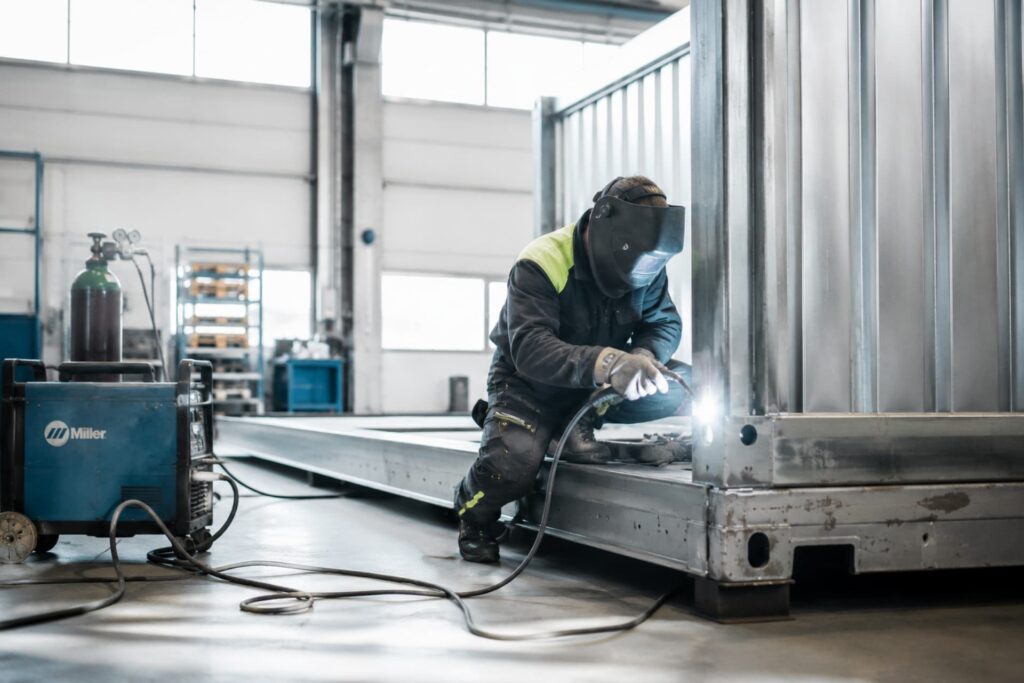
Quality is monitored throughout engineering, manufacturing, assembly, and final inspection. Key project milestones are documented, and completed solutions are inspected before delivery to ensure that the finished product meets the agreed specifications and project requirements.
Documentation
Each project is delivered with documentation relevant to its scope and requirements. This may include technical drawings, electrical documentation, component information, inspection records, operating instructions, and other project-specific documentation required for operation, maintenance, or compliance.
How project starts

Let’s build something special together
Contact us and let’s talk about your project.
Things you might want to know about custom containers
What types of custom containers do you design and manufacture?
We design and manufacture custom containers for a wide range of applications across industry, energy, defence, infrastructure, construction, and commercial sectors. Projects range from equipment shelters, workshops, and control rooms to battery testing facilities, fire suppression units, mobile service centers, offices, and retail spaces. Every solution is developed around the intended use, technical requirements, and operating environment of the project.
Where are custom containers manufactured?
Custom containers can be manufactured in Finland or through certified production partners in China. The manufacturing location is selected based on factors such as technical requirements, delivery schedule, production volume, certification needs, and project complexity. Regardless of where production takes place, all projects follow the same engineering process and quality requirements.
How long does a custom container project take?
Project schedules vary depending on the scope of modifications, technical systems, certification requirements, and production method. Simpler container modifications can often be completed within a few weeks, while larger and more complex projects require additional engineering, manufacturing, and testing time. The delivery schedule is always reviewed during the planning phase so that production can be aligned with the project timeline.
Can a container be designed around specific equipment or machinery?
Yes. Many custom container projects are designed to house specific equipment, machinery, or operational processes. Factors such as equipment dimensions, weight, ventilation requirements, power supply, maintenance access, fire protection, and transportation requirements are incorporated into the design from the beginning. The result is a solution built around the equipment rather than forcing the equipment into a standard container layout.
How does a custom container project typically start?
Every project starts with understanding the intended application. The first step is usually a discussion about how the container will be used, where it will be located, what equipment it will contain, and what technical requirements need to be met. Based on this information, the engineering team develops a concept, preliminary design, and budget proposal before moving into detailed design and production.
A remote meeting is often the most efficient way to start the process. It allows both parties to review requirements, discuss technical options, and identify potential challenges early in the project. The meeting is free of charge and does not commit you to anything.